Article
The 2-Litre Split-Batch Mead Method: How to Ferment Dry, Infuse, and Backfill
WEEK 1
The 2-Litre Split-Batch Mead Method: Ferment Dry, Infuse, and Backfill
Over the following weeks, we will be producing a series of simple, no-nonsense guides to produce exceptional craft mead at home.
In our test cellar archive, we developed the 2-Litre Split-Batch Protocol—a technique designed to give home meadmakers total flavor control without the risk of stalled ferments, blown-off aromas, or wasted ingredients.
Over the coming weeks, we will share 12 distinct small-batch recipes inspired by the wild flora, hedgerows, and heritage of Ireland’s counties. Every single recipe in this series relies on the exact foundation outlined below.
Step 1: The Bone-Dry Primary Base Must
Instead of adding delicate fruits, spices, or wild botanicals into your primary fermenter—where vigorous yeast action simply blows off subtle aromatics through the airlock—we brew a neutral, bone-dry base must:
*Target Volume: 2 Litres
*Target ABV: 11% – 12%
*Additions: Pure raw honey, water, and yeast nutrients only.
*Fermentation Goal: Ferment completely bone-dry (Specific Gravity: 1.000 or below).
Once fermentation is complete and the yeast settles, rack the clear dry mead off the sediment into your secondary vessel.
Step 2: The 2L Wide-Mouth Jar Advantage
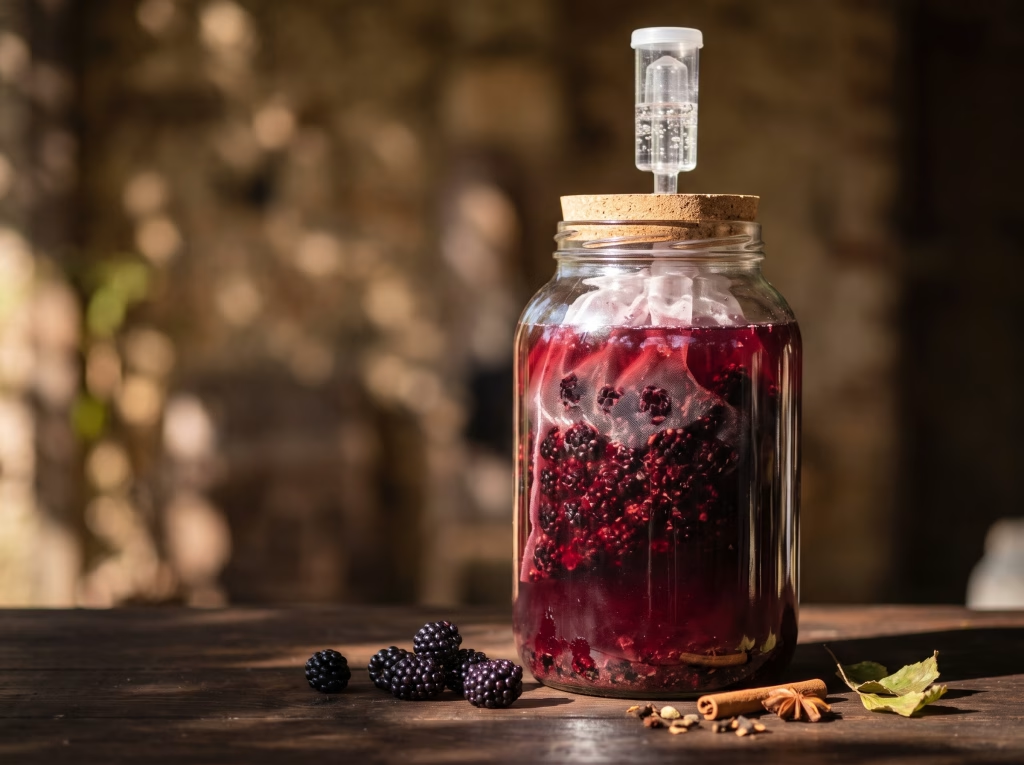
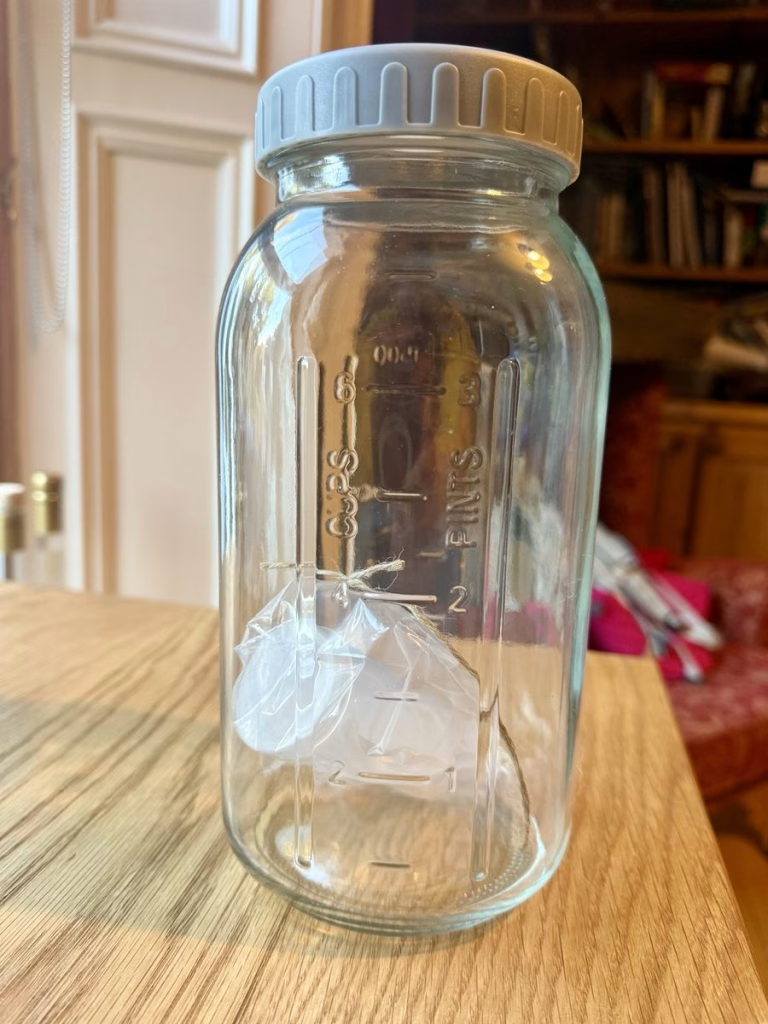
Narrow carboy bottlenecks create headaches when handling whole fruit and wild botanicals. For our cellar trials, we use 2-litre wide-mouth glass jars:
1. Clean Extraction: Whole fruit, botanicals, and wood chips are placed inside a sanitized fine-mesh bag. When flavor extraction hits the sweet spot (typically 3 to 7 days), simply lift the bag out cleanly—no siphoning jams or trapped pulp.
2. Parallel Trials: Turn a single 5-litre primary brew into parallel 2-litre flavor experiments to compare different infusions side-by-side.
Step 3: Infuse Botanicals & Backfill with Raw Honey
Once your fruit or botanical extraction is complete:
Bullet Stabilize: If preserving raw honey sweetness without further yeast fermentation, stabilize the mead using cold-crashing or standard stabilizing additions (potassium metabisulfite and potassium sorbate).
Bullet Backfill: Blend in raw honey gradually until you achieve your preferred mouthfeel, sweetness balance, and floral finish.
Scaling Up: The Demijohn Multiplier
To step any 2-litre test recipe in this series up to a traditional 4.5-Litre (1-Gallon) Demijohn, multiply all fruit, spice, and honey backfill additions by 2.25×.
Keep an eye on this space And or our instagram each week as we release our complete county-by-county mead recipes from the cellar.
Read More
Wild Atlantic Mead Named Best New Mead at Inaugural Global Drinks Awards
Artisanal 8% ABV Irish honey mead claims New Product of the Year – Mead in Londo…
Read More about Wild Atlantic Mead Named Best New Mead at Inaugural Global Drinks AwardsWeekly Mead Recipes
November 16, 2026 — irishmead.ie has today announced the launch of a new weekly…
Read More about Weekly Mead RecipesDublin Nollaig Mead
Discover how to craft Sean's much-loved Dublin Nollaig Mead, a classic Irish Chr…
Read More about Dublin Nollaig Mead